

Castlevania: Belmont's Curse Review
Castlevania: Belmont's Curse is a tough game to review, because while all of the basic trappings of Castlevania are there from the get-go, it feels as if they've been assembled "wrong". That's not to say that this is a poorly-made game, because Belmont's Curse is, in fact, pretty damn good. However, it feels ever so slightly wrong, to me at least, when compared to its predecessors. A fairly frustrating start eventually balances out towards a moderately fun, but extremely easy late game that results in a very uneven experience.
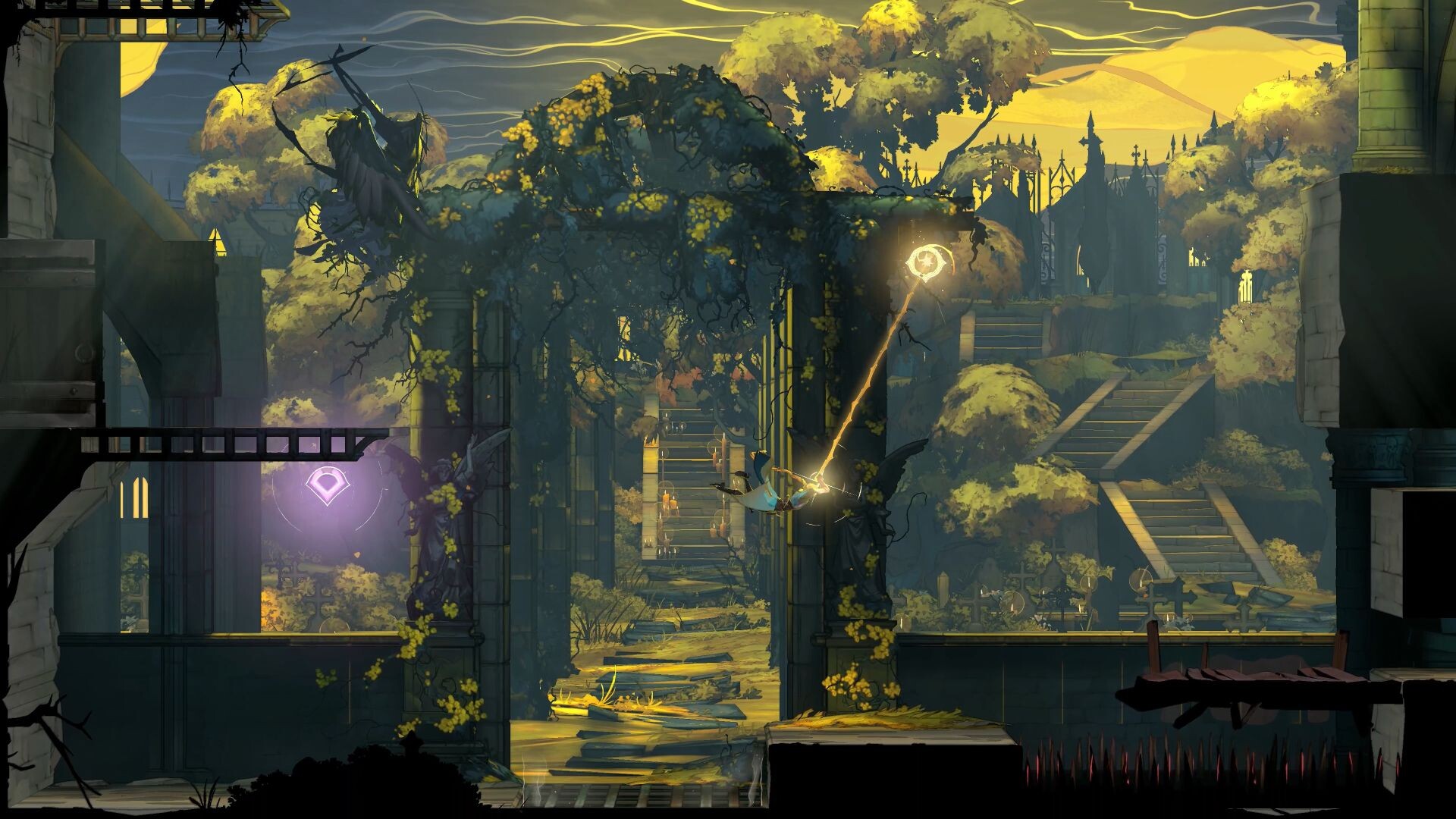
There is a demo available, and you should definitely give it a shot if you are interested in Belmont's Curse, but I don't think the demo does a good job of portraying the game as a whole. It ends very shortly after the first boss, which is only approximately 30 minutes from the start. During that short time, you have very few tools to interact with, your movement kinda sucks, combat is fairly obnoxious, and it's difficult to get the flow of the game down. Shortly after the demo ends, things start to pick up ever so slightly, but annoyances persist all the way through to the halfway point.
There's a sequence not too long after the demo boss encounter where Dracula's Castle appears over Paris. In order to breach the castle, you have to survive a gauntlet across ruined waterways and bridges. The gauntlet is more than a little brutal: enemies chunk you for a significant part of your health, there are plenty of water traps that reset your position should you fall into them, and at the end of the gauntlet is a (fake) boss encounter that nevertheless sends you back to the beginning of the gauntlet should you fail.
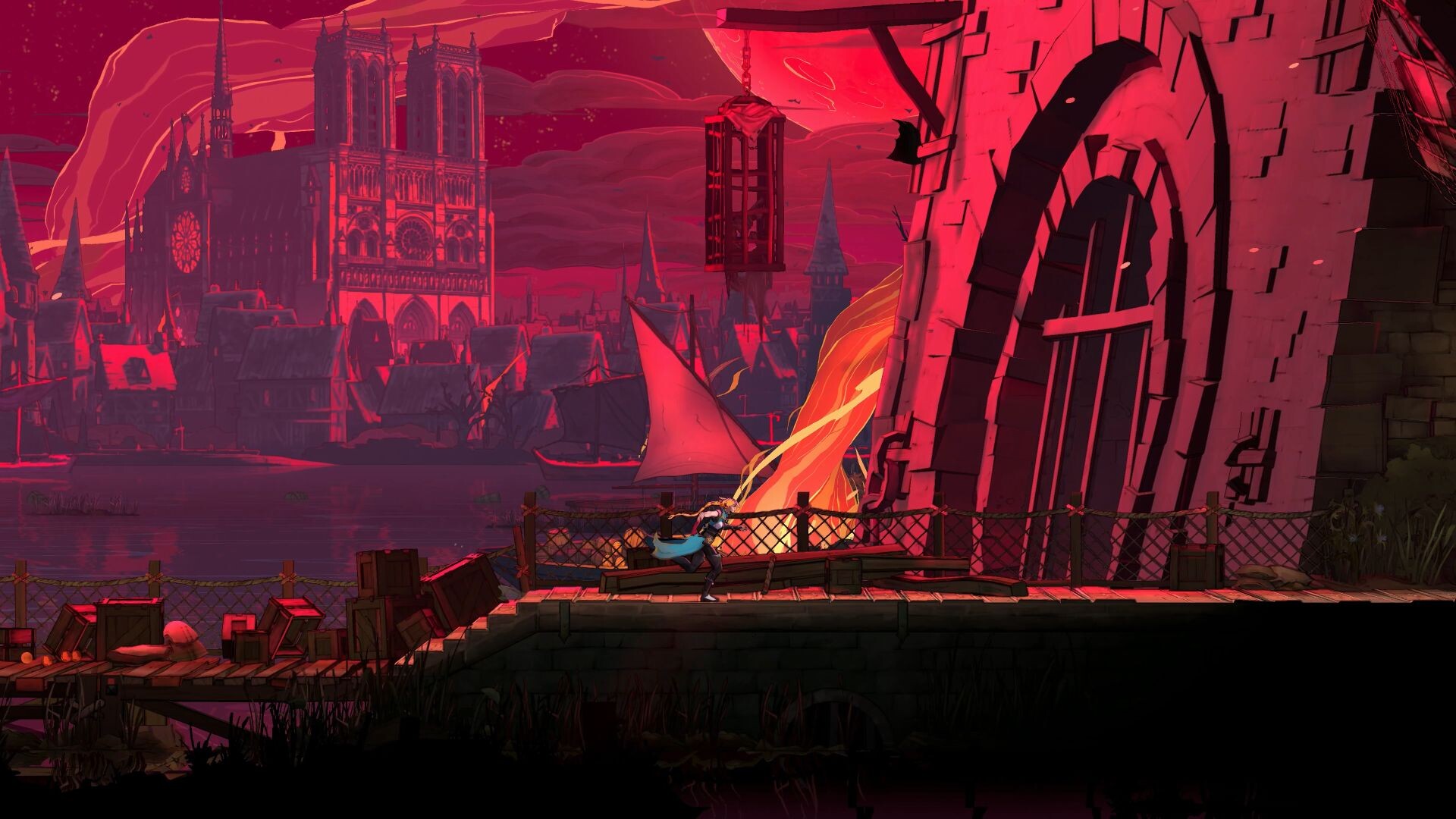
What makes this sequence particularly annoying is the fact that monsters regularly adjust their aim to track you. In other Castlevania or similar games, if a monster winds up an attack animation, and you respond by, say, jumping, you typically will evade the attack as it will fire at where you were. Sahagins, for example, have a pretty simple jump-and-shoot attack that doesn't adjust if you decide to jump or slide under the attack.
In Belmont's Curse, if you jump as soon as you see the animation, the monster adjusts its aim and tracks you. This means you have to delay your jump or evasion until the attack actually fires, otherwise, you will get hit. Using Sahagins as an example, they love to adjust their aim and snipe you mid-air, punishing you for correctly reading their attack and responding too early. This is deeply frustrating to deal with in normal circumstances, but is even more so during a gauntlet run where the hit could knock you into water, causing further damage and resetting your progress.
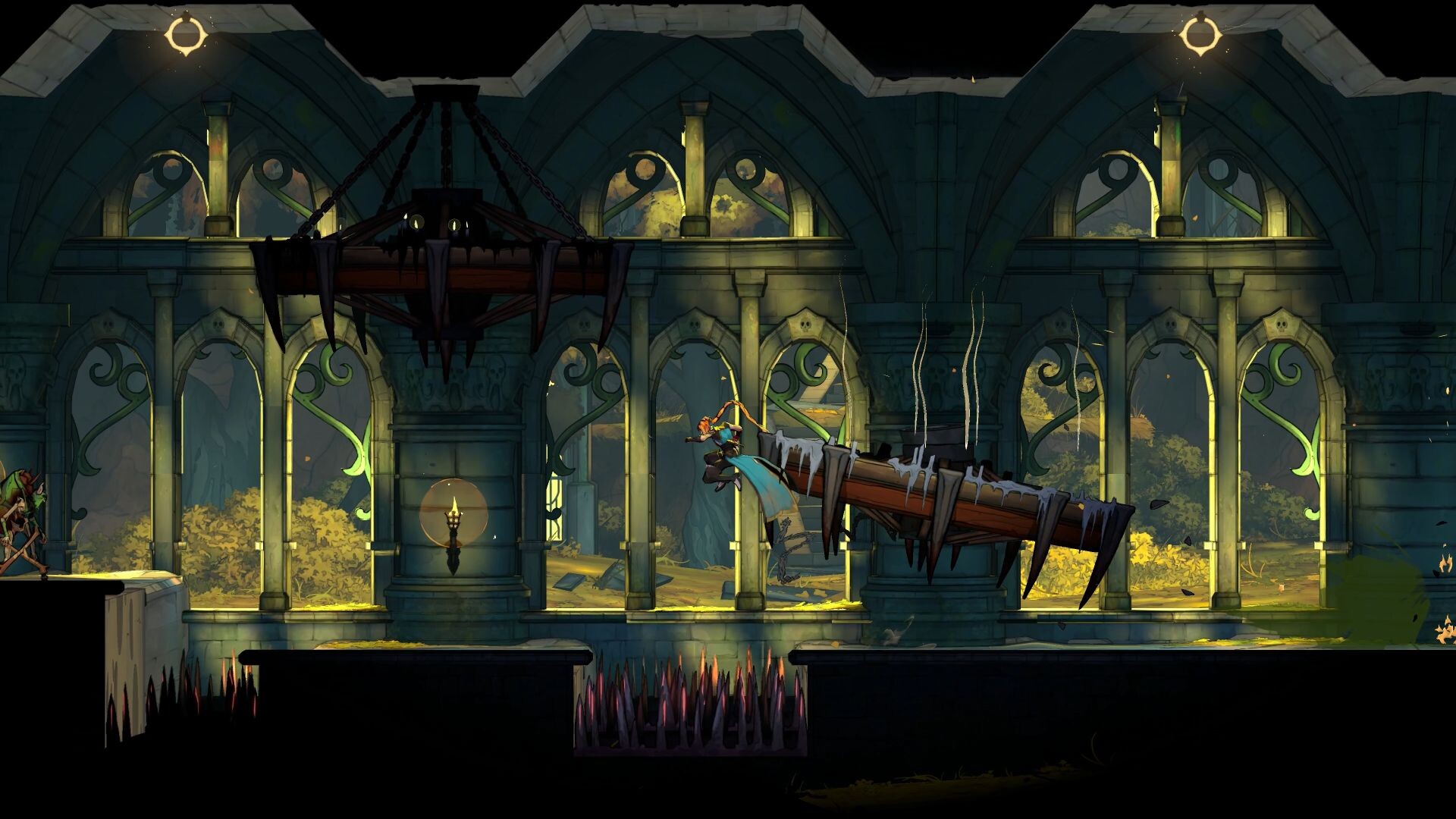
I suspect the intent behind this is to force you to use the parry mechanic instead of dodging (the Light Shield functions as a parry for most attacks). I'm not exactly criticizing the decision by the developers here, but I really am tired of parry systems in games, especially in games that aren't soulslikes. Not every game needs a parry system! It doesn't add to my enjoyment of the game, but if you implement a parry system, you are balancing the game around people using it, which means failure to properly parry (or not parrying at all) means you take significant damage. I could see a version of this game that removes the parry feature and reduces damage from all early-game sources as being a fair amount less frustrating while retaining what Belmont's Curse is going for.
I say early game, because this all truly only matters in the early and mid-game. Once you hit the back half of the game, Belmont's Curse becomes comically easy. Like, "I no longer need to give a shit about parries or really anything that isn't spamming my attack button and shielding" easy. There's a specific late-game weapon, a sword and shield (and I'm being vague for lore/story reasons) that not only allows you to deal significant damage, but warps you to the opposite side of an enemy with every swing. Combine that with the right relics for minimizing damage taken, increasing mana generation, and a specific Tarot spell (again, spoilers, but this one grants you a two-hit shield that blocks everything), and you are essentially untouchable. The end-game bosses and optional bosses can't really harm you, and even if they can, you're a healing potion away from getting back into things.
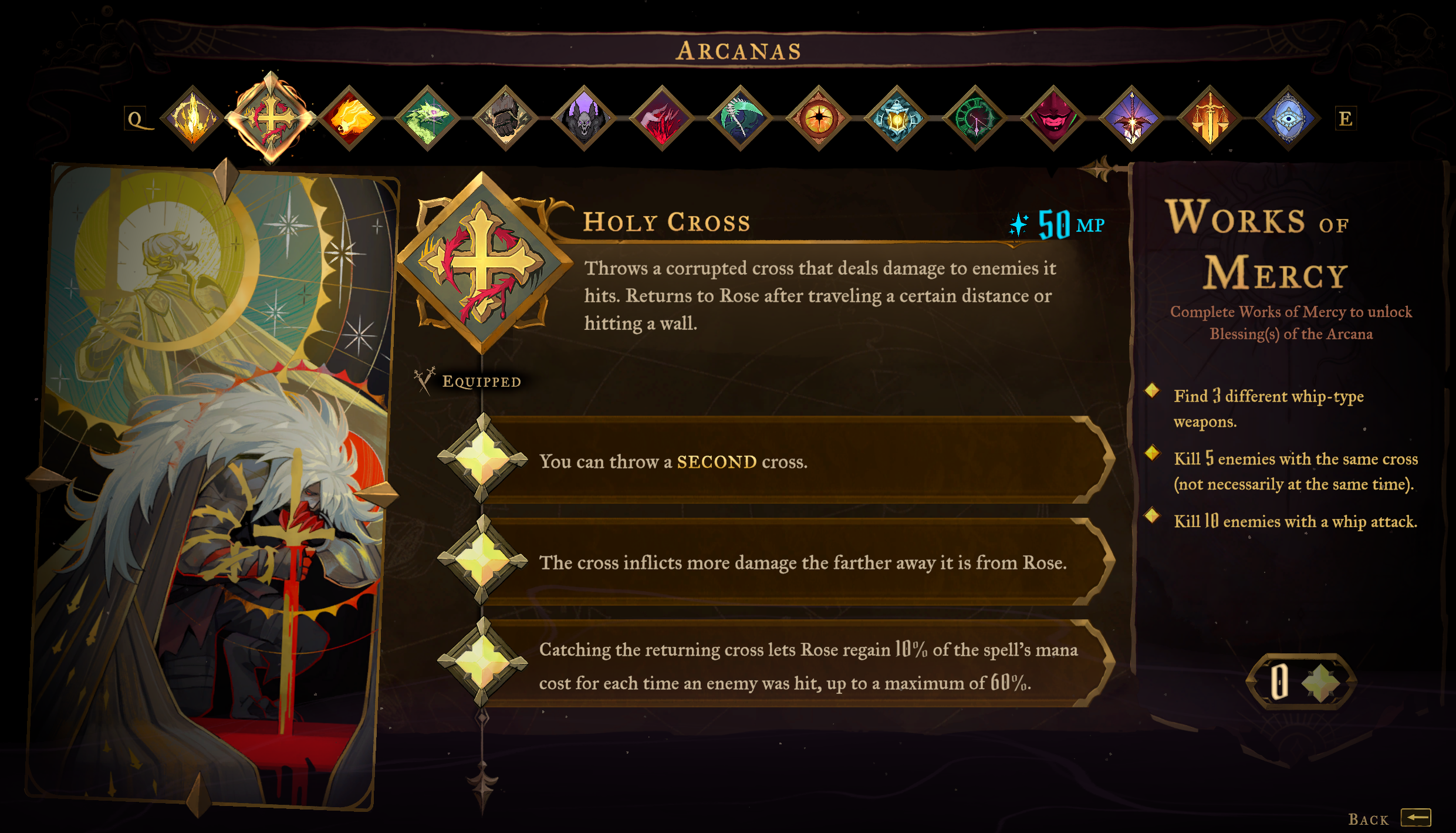
It genuinely is incredible how unbalanced Belmont's Curse actually is — the beginning is too aggressive, too frustrating, and the mid-to-late game is too easy, too frictionless. Even the "endgame" dungeon was a walk in the park compared to the early hours, which feels backwards. Perhaps that's by design, but I don't think the developers intended for me to no-hit the late-game bosses on my second or third attempt.
I'm harping on the design here because tight gameplay is what makes or breaks Metroidvanias for me. You can have a very interesting world, exquisite background art and environments, beautiful music, great voice acting, and everything else that makes a fantastic game, but if the gameplay is off even a little, it feels wrong. That's how Belmont's Curse is — gorgeous scenery, jaw-dropping artwork on display, fantastic music; but gameplay and balancing feel woefully undertuned. Everything about this game is firing on all cylinders except the actual game part, and that's unfortunate.
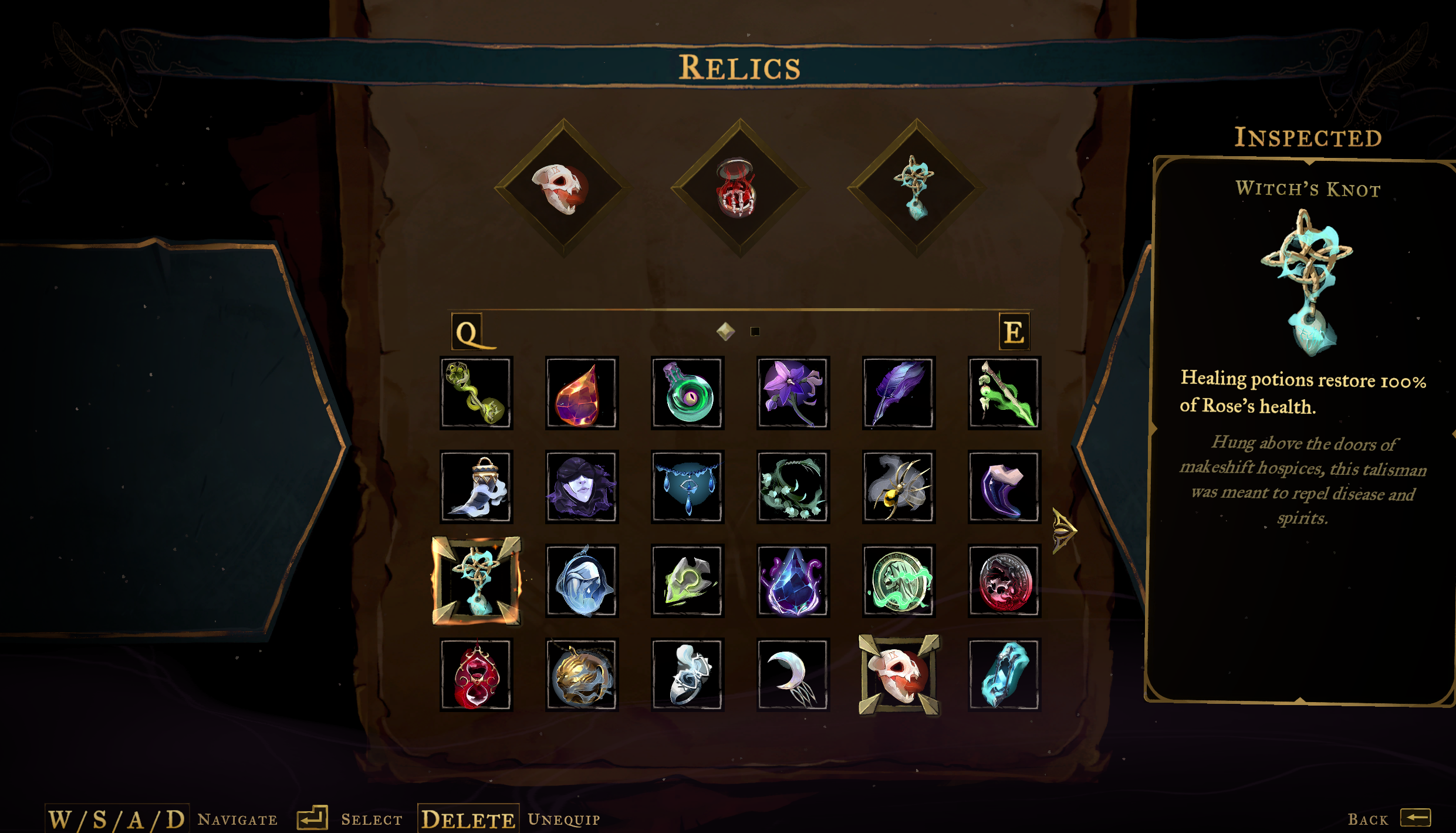
The navigation and movement (or schmovement if you're a millennial trying to be cool) is extremely fun...once you unlock all of your movement options. Your dash is actually tethered to a late-game tarot card, which makes sense as it makes navigation extremely easy; Double Jump comes from defeating a late-game boss — you've likely played a Metroidvania and generally know how this works. What makes it a little interesting is the way some of the platforming puzzles or timed puzzles emulate more difficult Metroidvanias; namely, Hollow Knight.
I think it's fair to say that this game does lean more towards Hollow Knight than not — you have a charged heal system that only replenishes at save points (or if you find a random drop), many of the jump puzzles require pinpoint movement via a combination of air-dashes, double jumps, and whip swings, and there's a marked emphasis on difficulty (at the start of the game, at least). The late-game dashing through the hallways to find and solve puzzles does feel exhilarating, however, despite how easy it is to dismantle enemies with late-game equipment. Like how a victory lap should feel, maneuvering into areas that you had to previously skip with all of the late-game trimmings is definitely some of the best in the series.
Thankfully, they didn't emulate the length of Hollow Knight; Belmont's Curse only took me approximately 16 hours to 100%, and that was with about 3 to 4 hours of backtracking and attempting to figure out some puzzles, which is the perfect amount of time for this type of game in my opinion.
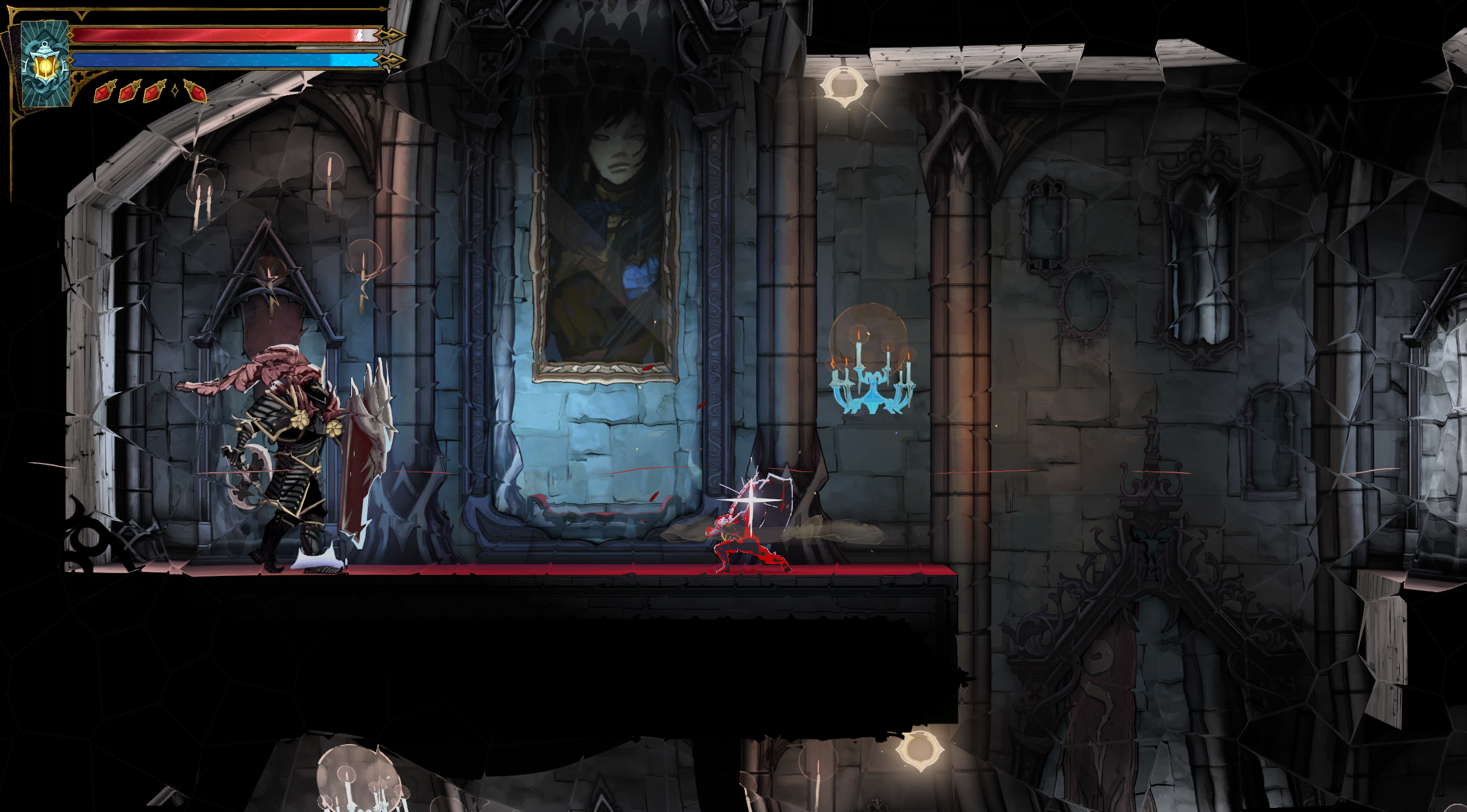
The music is stellar, but in a way that may throw a few people off. It's not bombastic like previous Castlevanias tend to be — the version of Bloody Tears that plays in the Main Hall is very muted and features heavier undertones and a slower progression than, say, the rock version that plays in Aria of Sorrow. However, I find that all of the tracks fit well with the themes of the game, that of growth and overcoming expectations placed upon you by those that would see you fail.
Throughout the game, Dracula's goon squad regularly dismisses and infantilizes Rose as inadequate. After all, her father is the wielder of Vampire Killer and has proven his mettle multiple times over. Her mother perished to the very curse that ravages Rose's body, and she was a master sage who couldn't figure out the cure. What could Rose, with her dinky little sword and zero Dracula hunting experience, possibly hope to accomplish? That's a fantastic setting to explore, and it mirrors the experience well — you're growing as a player right alongside Rose.
I don't want people to think I'm coming down on Castlevania: Belmont's Curse too harshly. The gameplay balance just isn't fully there for me, but everything else is stunningly good. Exploring the blood-soaked Catacombs of Paris, discovering secret wall chickens and stat boosts, getting absolutely pissed off at the Clock Tower ascent as I do in every Castlevania game; this game has the juice. Some imperfections don't completely sour the experience, but I did decide to reinstall some older Igavanias and get what I was missing from Belmont's Curse.